

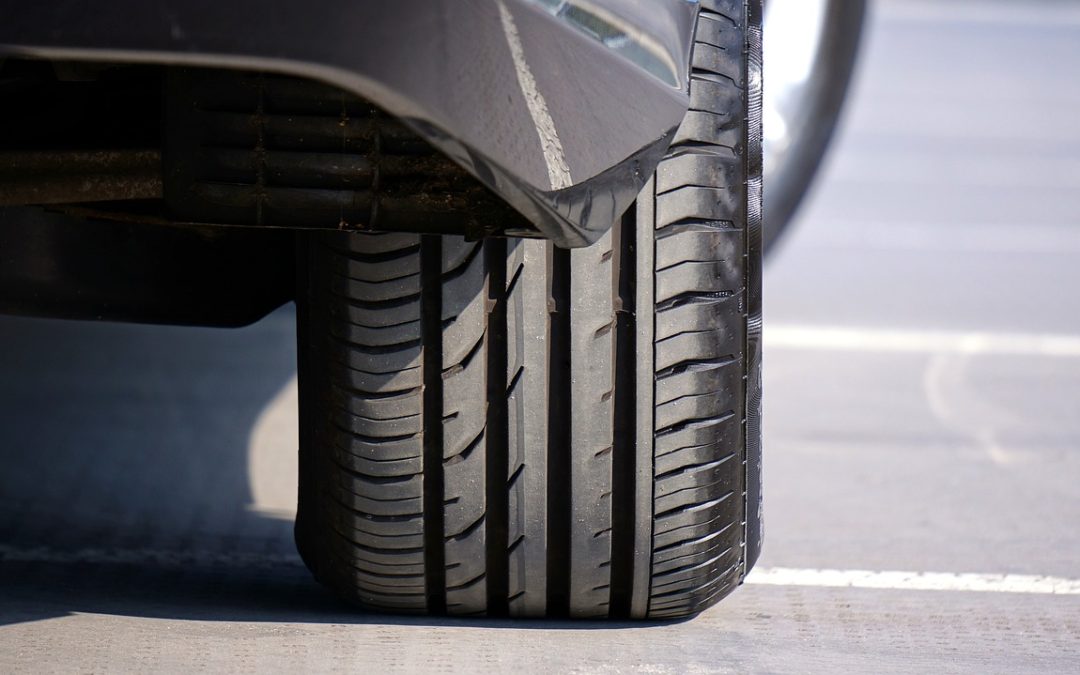
Tire blowouts can be dangerous and frustrating, especially when you’re on the road. They often happen when you least expect it and can turn a smooth drive into a stressful situation.
The good news is, that with the right knowledge and care, you can significantly reduce the chances of a blowout.
In this guide, we’ll discuss the common causes of tire blowouts and provide maintenance tips to help keep your tires in great shape.
What Causes Tire Blowouts?
Understanding what leads to tire blowouts is the first step in avoiding them. Here are some common culprits:
1. Underinflation
One of the most common causes of blowouts is driving on underinflated tires. When tires lack sufficient air pressure, their sidewalls flex excessively. This generates heat, weakening the tire structure over time and increasing the likelihood of a blowout.
2. Overloading
Every tire has a load rating, indicating how much weight it can safely carry. Overloading your vehicle puts excessive stress on the tires, which can lead to sudden failure, especially on rough roads or during long trips.
3. Potholes and Road Debris
Driving over potholes, sharp objects, or other road debris can cause significant damage to your tires. If the damage goes unnoticed, it could eventually lead to a blowout.
4. Worn Treads
Bald or excessively worn tires lack the necessary grip and strength to handle road conditions. Tires with insufficient tread are more prone to punctures and are less effective at dispersing heat, which increases the risk of a blowout.
5. High Speeds
Driving at high speeds generates heat in the tires, especially in hot weather. This heat can weaken the tire structure, making it more susceptible to failure.
How to Avoid Tire Blowouts: Essential Tips
Now that you know what causes tire blowouts, let’s dive into some actionable maintenance tips to keep your tires in top condition and ensure your safety on the road.
1. Check Tire Pressure Regularly
- Use a reliable tire pressure gauge to check your tires at least once a month.
- Ensure the pressure matches the manufacturer’s recommended level, usually found in your car’s manual or on a sticker inside the driver’s door.
- Remember to check the pressure when the tires are cold for accurate readings.
2. Don’t Overload Your Vehicle
- Know your vehicle’s maximum load capacity, and avoid exceeding it.
- Distribute weight evenly to prevent stress on specific tires.
- If you often carry heavy loads, consider investing in tires designed for high-load capacities.
3. Inspect Tires for Damage
- Perform a visual inspection regularly, looking for cuts, bulges, or embedded objects.
- If you notice any unusual wear or damage, have a professional inspect the tire.
- Don’t ignore vibrations or pulling to one side, as these may indicate tire problems.
4. Rotate Tires Regularly
- Tire rotation ensures even wear, extending the life of your tires.
- Rotate your tires every 5,000 to 7,500 miles, or as recommended in your car’s manual.
- Follow the correct rotation pattern for your vehicle’s drivetrain (front-wheel drive, rear-wheel drive, or all-wheel drive).
5. Maintain Proper Alignment
- Misaligned wheels cause uneven tire wear and can lead to blowouts over time.
- Have your alignment checked if you hit a curb or pothole or if your vehicle pulls to one side.
6. Monitor Tread Depth
- Use the “penny test” to check your tire tread. Insert a penny into the tread grooves with Lincoln’s head facing down. If you can see the top of his head, it’s time to replace the tire.
- Invest in new tires if the tread depth falls below 2/32 of an inch, as recommended by safety standards.
7. Avoid Driving on Spare Tires for Long Periods
- Spare tires are designed for temporary use and may not have the durability of regular tires.
- Replace a damaged tire as soon as possible and return the spare to its storage position.
8. Drive Responsibly
- Avoid sudden braking, sharp turns, and excessive speeds.
- On long trips, take breaks to let your tires cool down, especially during hot weather.
- Stay alert and steer clear of road debris and potholes whenever possible.
What to Do in Case of a Blowout
Even with the best precautions, tire blowouts can still happen. Here’s what to do if you experience one:
- Stay Calm: Grip the steering wheel firmly and avoid sudden movements.
- Don’t Slam the Brakes: Gradually ease off the accelerator and allow the vehicle to slow down naturally.
- Signal and Steer to Safety: Use your turn signal to guide the car to the side of the road or a safe area.
- Call for Assistance: If you can’t change the tire yourself, call for roadside assistance or a tow truck.
Final Thoughts
Preventing tire blowouts comes down to regular maintenance, safe driving habits, and staying aware of your vehicle’s condition.
By keeping your tires properly inflated, monitoring their wear, and addressing issues promptly, you can reduce the risk of a blowout and enjoy a safer driving experience.
Your tires are the only part of your vehicle that touches the road, so taking good care of them is essential. Stay safe and happy driving!
Recent Comments