

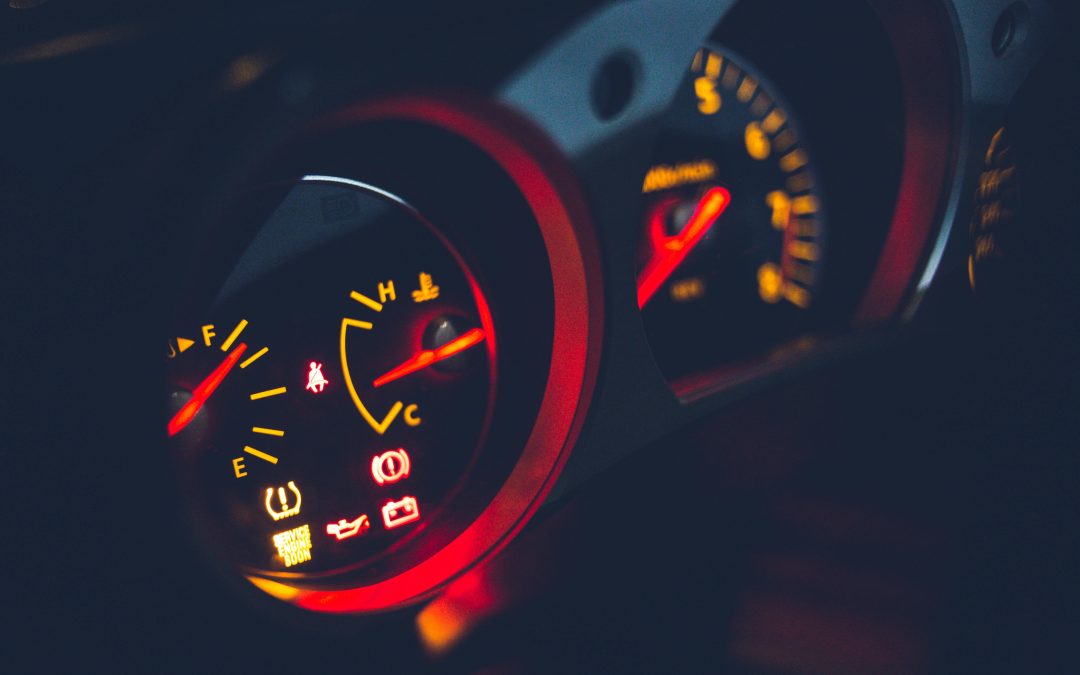
When you notice your car’s low oil pressure light flashing, it’s important not to ignore it. This light is your dashboard’s way of telling you that your engine might not get enough lubrication, which can lead to significant damage if not addressed quickly.
You’re probably wondering what causes this light to come on and what you can do about it. Whether it’s due to low oil levels, a failing oil pump, or a clogged filter, each reason has its own steps for resolution.
But how do you figure out what’s causing it in your car, and what can you do to fix it before it leads to a more serious issue? Stay tuned to uncover insights that help you understand and empower you to take the right actions.
Understanding the Oil Pressure Light
When your car’s oil pressure light illuminates, it signals that the engine’s oil pressure is dangerously low and requires immediate attention. This indicator isn’t just a vital alert; it’s a critical notification that your engine could suffer from low oil levels or other serious issues affecting the engine components.
If you overlook this light, the ramifications can be severe, potentially leading to engine damage or even failure.
Firstly, it’s important to check oil levels. A dipstick test will help you verify if the low oil pressure is due to insufficient oil. If your oil is at a proper level yet the light remains on, the problem might be a faulty oil pressure sensor giving incorrect readings.
To prevent such emergencies, regular oil changes aren’t just suggested; they’re a part of a community of responsible car owners who value their vehicle’s longevity and performance. Regular maintenance ensures that oil levels are adequate, and engine components aren’t worn unnecessarily.
Should the oil pressure light persist, visiting a professional mechanic should be your next step. They can thoroughly inspect and resolve issues beyond simple fixes like topping up oil or replacing sensors. This proactive approach is key to preventing engine overheating and extensive engine damage.
Common Causes of Low Oil Pressure
Understanding the common causes of low oil pressure is vital for maintaining your car’s engine health and performance.
When your oil pressure warning light flickers on, it’s not just a casual hint, but a serious alert that could indicate underlying issues threatening your engine’s integrity.
One prime culprit is low oil level. It’s essential to regularly check your oil level, as insufficient oil reduces lubrication, escalating engine wear and potential engine damage.
Additionally, dirty oil can lead to similar risks. Over time, oil accumulates contaminants that can hinder its ability to effectively lubricate, necessitating regular oil changes as part of your car’s maintenance.
A faulty oil pump is a significant concern. This pump is the heart of your vehicle’s lubrication system; if it malfunctions, oil pressure plummets, jeopardizing your engine.
Engine wear itself can also lower oil pressure, as worn components may not seal effectively, leading to internal oil leaks and decreased pressure. Recognizing these causes and adhering to a regular maintenance schedule are your best defenses against the costly consequence of low oil pressure.
Immediate Actions to Take
If your car’s low oil pressure light activates, immediately pull over to a safe location, turn off the engine, and check the oil level. Ignoring the low oil pressure light can lead to costly engine repairs, and you certainly don’t want to be stuck with a bill that could have been avoided.
Here’s what you should do without delay:
- Pull Over Safely: As soon as the low oil pressure light illuminates, find the nearest safe spot to stop. This isn’t just about your car’s health; it’s also for your safety. Continuing to drive could worsen potential engine damage.
- Check the Oil Level: After turning off the engine, wait a few minutes for the oil to settle, then pull out the dipstick to check the oil levels. If the oil is low, add more until it reaches the proper mark on the dipstick. This might resolve the issue temporarily, but it’s not a permanent fix.
- Consult a Mechanic: Don’t take risks when it comes to engine health. Even if topping off the oil seems to turn off the warning light, it’s essential to get a mechanic for proper diagnosis. They can identify if there’s a deeper issue causing the drop in oil pressure.
Preventing Future Oil Pressure Issues
Consistently changing your car’s oil guarantees proper lubrication and prevents the degradation that can lead to low oil pressure issues. Regular oil changes aren’t just a vital investment in the life and performance of your engine; they’re an essential commitment.
In addition to regular oil changes, keeping a vigilant eye on your oil level is crucial. Don’t wait for the low oil pressure light to flicker on; make it a habit to check your oil level frequently.
This simple act can alert you to potential issues like leaks or excessive oil consumption, which, if unaddressed, can severely impact your vehicle’s oil pressure and engine health.
Be attuned to your engine’s performance and any unusual noises. These could be early warnings that your oil pump might be compromised, potentially leading to low oil pressure.
Regular check-ups and maintenance form the backbone of preventing future oil pressure problems, reinforcing the bond between you and your vehicle’s enduring performance.
Diagnosing Persistent Problems
When your car’s low oil pressure light remains illuminated, it’s vital to seek a mechanic’s expertise for a thorough evaluation.
Here’s how a mechanic typically approaches diagnosing persistent problems with low oil pressure:
- Oil Quality and Level Check: The first step involves verifying that there’s enough oil in the engine and that it’s not contaminated. Old or dirty oil could be the culprit causing the low oil pressure light to activate.
- Inspecting the Oil Pump: A failing oil pump can’t circulate enough oil, leading to low oil pressure. Your mechanic will check for wear and tear or any damage that could be impairing the pump’s functionality.
- Examining Engine Internal Components: If the oil level and pump are in good condition, the mechanic may investigate deeper issues like worn bearings or problems within the engine block itself, which could also trigger your engine oil light.
Conclusion
To sum up, if your car’s low oil pressure light flickers on, it’s crucial you don’t ignore it. Imagine you’re driving and the light activates; immediately pull over to avoid potential engine damage.
Check the oil level and if it’s low, top it off. However, if the oil level isn’t the issue, a faulty sensor or deeper mechanical problem might be at play.
Regular maintenance and prompt action are your best defenses against serious engine troubles.
Recent Comments