

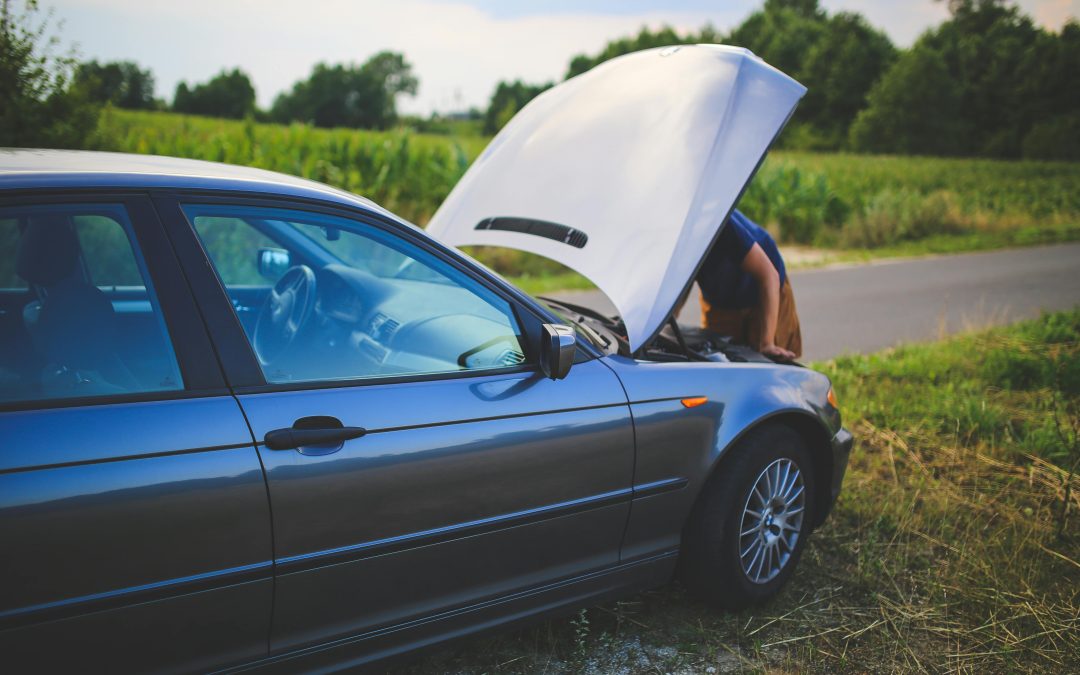
When your car overheats and loses coolant, you’re not just facing a temporary inconvenience; you’re potentially dealing with damage to your engine and disruptions to your daily routine. The cause might be as simple as a leaky hose or as complex as a failing head gasket.
Either way, you mustn’t ignore these signs. By taking steps to maintain your cooling system properly and understanding how to spot the early signs of trouble, you can avoid the bigger headache of serious car damage.
What might seem like a small leak today could lead to a major problem tomorrow. How can you effectively manage these issues to keep your car running smoothly?
Common Causes of Overheating
Several factors, including low coolant levels, faulty radiator caps, and malfunctioning water pumps, commonly cause your car to overheat. You’re not alone in facing these issues; many car owners experience similar challenges.
Low coolant levels can be a direct consequence of a coolant leak. Whether it’s from a corroded radiator, failing hose connections, or a compromised heater core, these leaks are more than just a nuisance.
They compromise your engine’s ability to maintain the best temperature. It’s vital to check your coolant regularly and respond promptly to any signs of leakage.
Meanwhile, the radiator cap is pivotal in maintaining proper pressure within the cooling system. A faulty cap fails to maintain the required pressure, leading to increased coolant evaporation and overheating.
Ensuring your radiator cap is in good condition is an easy yet effective step towards safeguarding your engine.
Lastly, the water pump, often described as the heart of the cooling system, is essential for circulating coolant throughout your engine. A malfunctioning water pump can lead to inadequate coolant flow, causing the engine to heat up excessively.
Recognizing Overheating Symptoms
Overheating in cars can lead to significant engine damage and, in severe cases, complete vehicle breakdowns. It’s essential to recognize the early symptoms of overheating to address the issue promptly. Here are the key signs that your car might be overheating:
- Temperature Gauge or Warning Light: The most straightforward indicator is the temperature gauge on your dashboard moving towards the hot end or a coolant temperature warning light turning on.
- Steam from Under the Hood: If you see steam (which may look like smoke) billowing out from under the hood, your car is likely overheating, and the coolant could be boiling.
- Hot Hood: When the hood of the car feels unusually hot to the touch, it can indicate that the engine is running at a higher temperature than normal.
- Reduced Engine Performance: Overheating can cause the engine to throttle down to avoid damage, leading to noticeable drops in power.
- Strange Smells: A sweet smell indicates leaking coolant, while a burning smell may signal overheated parts or leaking fluids.
- Coolant Leaks: Puddles of coolant (usually green or orange) under your car are a direct sign of a leak, which could lead to overheating if not fixed.
Immediate Actions to Take
When your car overheats and begins losing coolant, immediately shut off the engine to prevent further damage. This is an essential step in safeguarding your engine from the severe consequences of overheating.
Once the engine is off, assess the situation methodically. Check for any visible leaks in the cooling system. You might notice coolant pooling under the car or around the radiator, indicating a leak that could be causing both your overheating engine and low coolant level.
Next, if the engine has cooled sufficiently, carefully open the radiator cap using a cloth. This avoids any potential burns from steam or hot fluid. If the coolant level is low, adding water or coolant can temporarily solve the issue, but remember, this is just a temporary fix. Mix the coolant with water in a 50/50 ratio if you’re topping it up yourself.
It’s vital to monitor the temperature gauge as you proceed. If the temperature doesn’t stabilize, or if you’re unsure of any steps, it’s wise to seek professional help.
A mechanic can more accurately diagnose and repair the underlying issues causing your car to overheat and lose coolant. This ensures you’re not just treating symptoms but solving the root of the problem.
Long-Term Prevention Strategies
To effectively prevent long-term issues with car overheating, regularly inspect your vehicle’s cooling system for any signs of coolant leaks and address them immediately.
Here’s a precise guide to help you maintain your vehicle:
- Check for Coolant Leaks: Regularly inspect all hoses, the radiator, and connections for any signs of leakage. Early detection of coolant leaks can save you from more significant engine problems.
- Maintain Proper Coolant Levels: Always ensure that the coolant level is within the recommended range. Use a mixture of suitable coolant and distilled water as specified by your vehicle’s manufacturer.
- Inspect Cooling System Components: Regularly check components like the radiator, water pump, and thermostat for functionality. Replace any worn or defective parts to prevent future overheating.
- Adhere to Maintenance Schedules: Follow the manufacturer’s recommended schedule for radiator flushes and coolant replacements to keep the cooling system in excellent condition.
Professional Maintenance Tips
Proper maintenance is crucial for the longevity and reliability of your vehicle. Here are some professional tips to keep your car in top condition:
- Regular Oil Changes: Change your engine oil and filter as recommended by your vehicle’s manufacturer. Typically, this is every 3,000 to 5,000 miles to ensure optimal engine performance and longevity.
- Check Fluid Levels: Regularly check and top off essential fluids, including brake, power steering, transmission, and coolant fluids. This prevents mechanical failures and overheating.
- Tire Maintenance: Keep your tires properly inflated to the manufacturer’s recommended pressure. Regularly check for wear and tear and align or rotate tires every 5,000 to 10,000 miles to extend their lifespan.
- Battery Care: Clean battery terminals to prevent corrosion and ensure tight connections. Batteries typically need replacement every 3-5 years, depending on usage and climate.
- Brake Inspection: Listen for brake noise and be mindful of any changes in braking performance. Have your brakes checked by a professional at least once a year.
- Scheduled Servicing: Follow your vehicle’s servicing schedule for comprehensive checks and replacements, such as timing belts and air filters.
Understanding Coolant System Functions
The coolant system efficiently circulates a water-antifreeze mixture to regulate your engine’s temperature and prevent overheating. This system, pivotal in your vehicle’s operation, consists of several key components: the radiator, water pump, thermostat, and hoses that form an interconnected coolant circuit.
As you drive, this circuit plays an important role in maintaining the delicate balance required for best engine performance.
In the heart of the cooling system, the water pump propels the coolant through the engine block, absorbing excessive heat that could lead to engine overheating. The heated fluid then moves to the radiator, a critical heat exchange point. Here, air flows over the radiator’s fins, cooling the coolant before it re-enters the engine. This continuous flow is essential as it prevents the temperature extremes that could otherwise impair engine functionality.
Conclusion
Understanding your car’s cooling system and addressing issues proactively is essential. Statistics show that 40% of engine failures are due to overheating. Regularly check for leaks, maintain coolant levels, and replace faulty components like the radiator cap or water pump.
Don’t overlook the importance of professional maintenance to guarantee peak performance and avoid costly repairs. By being methodical, you can greatly reduce the risk of overheating and coolant loss.
Recent Comments